Insulin Resistance: The Silent Metabolic Problem You Can Reverse
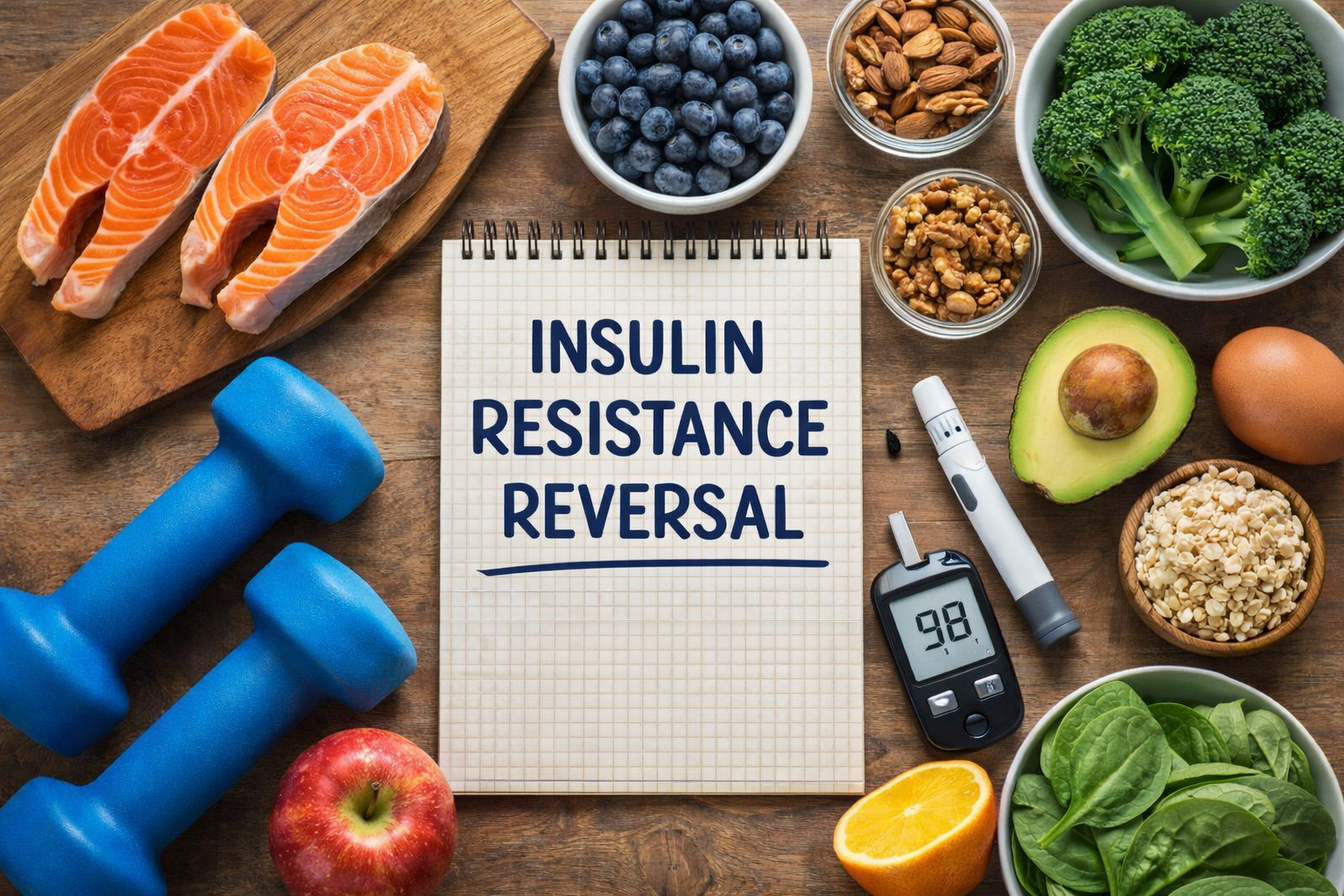
Insulin resistance is one of the biggest hidden drivers behind modern diseases like type 2 diabetes, obesity, and heart disease. It occurs when your cells stop responding efficiently to insulin, forcing the body to produce more just to keep blood sugar stable. Over time, this leads to chronically high insulin and glucose levels—fueling inflammation and metabolic dysfunction.
Recent systematic reviews and meta-analyses consistently show that excess visceral fat, physical inactivity, poor sleep, and ultra-processed diets are key contributors. Encouragingly, the same research highlights that lifestyle changes are powerful medicine. Meta-analyses confirm that regular resistance and aerobic exercise significantly improve insulin sensitivity, even without major weight loss. Diets higher in fiber, whole foods, and protein—and lower in refined carbohydrates—are repeatedly linked to better glucose control. Sleep optimization and stress reduction also show measurable benefits on insulin signaling.
The takeaway? Insulin resistance isn’t inevitable. It’s largely reversible. Small, consistent changes in movement, nutrition, and recovery can restore insulin sensitivity and dramatically improve long-term metabolic health.