The Three Energy Systems Used in CrossFit
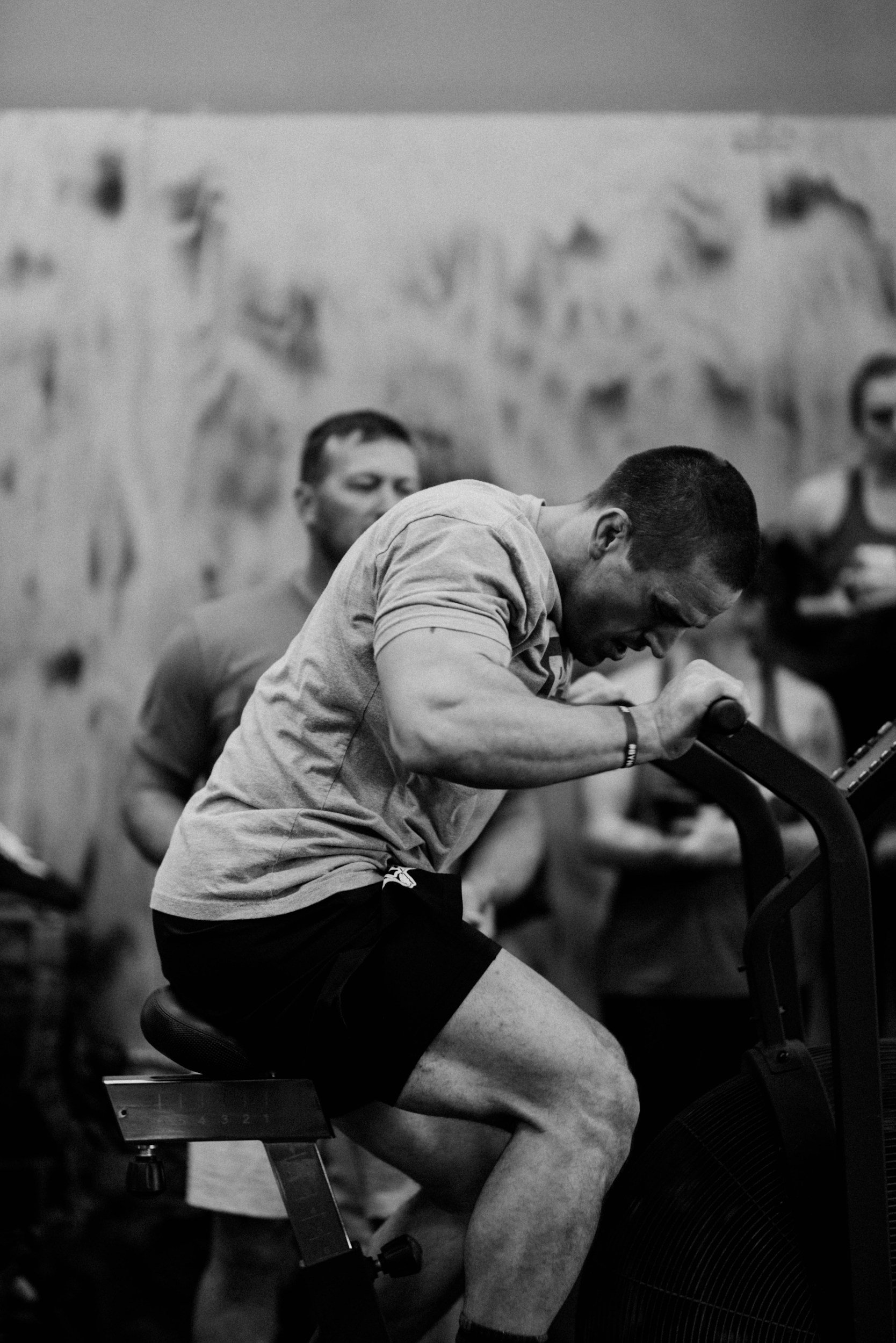
Understanding which energy systems you’re using in a CrossFit workout makes it much easier to refuel properly—especially if you’re training often or doing doubles.
Below is a concise breakdown of the three main energy systems, how they show up in typical CrossFit WODs, and what to eat after training to recover and be ready for your next session.
1. The Three Energy Systems Used in CrossFit
CrossFit is a form of high-intensity functional training (HIFT): multi-joint, functional movements performed at relatively high intensity and often for mixed time domains. This style of training stresses both anaerobic and aerobic metabolism and improves a broad range of fitness qualities. (PMC)
All three energy systems are always working, but one tends to dominate depending on how hard and how long you’re working.
1.1 Phosphagen / ATP-PCr system (anaerobic alactic)
What it is
Uses stored ATP and phosphocreatine (PCr) inside the muscle.
Produces energy very fast, without oxygen and with minimal lactate.
Dominant for maximal intensity efforts lasting ~0–10(–15) seconds, like a 1RM lift or short sprint. (PT Direct)
Physiology in brief
ATP is broken down to release energy (ATP → ADP + Pi).
PCr donates a phosphate to ADP to rapidly regenerate ATP.
Limited by how much PCr you store – once that’s depleted, power drops and you rely more on glycolysis.
CrossFit examples (phosphagen-dominant)
1RM snatch, clean & jerk, deadlift, or heavy single back squat.
EMOM: 1–3 heavy clean & jerks every minute (if each effort is explosive and under ~10 s).
Short sprints: 10–20 m sled push, max-effort box jumps x 5, short assault bike sprints.
1.2 Glycolytic (anaerobic lactic) system
What it is
Breaks down muscle glycogen or blood glucose without oxygen.
Produces ATP quickly and generates lactate and H⁺ as by-products.
Dominant for hard efforts lasting ~20 seconds to ~2 minutes (sometimes up to ~3 minutes), like a 400 m sprint or an all-out short metcon. (Physiopedia)
Physiology in brief
Glucose → pyruvate → (when oxygen delivery can’t keep up) lactate.
Lactate itself can be used as a fuel; it’s the accumulation of H⁺ (falling pH) that contributes to the “burn” and fatigue.
Highly trainable and crucial for the “mid-range” CrossFit workouts.
CrossFit examples (glycolytic-dominant)
“Grace” (30 clean & jerk for time @ 60/40 kg or 135/95 lb) when done in ~1.5–3 minutes.
Short interval WODs: 5 x (30 s max effort assault bike + 2 min rest).
“Fran” (21-15-9 thrusters & pull-ups) for faster athletes finishing in ~2–4 minutes.
Any 60–90 s all-out AMRAP intervals (e.g., AMRAP burpees in 60 s, repeated).
1.3 Oxidative (aerobic) system
What it is
Uses oxygen to break down carbs, fats, and (to a small degree) amino acids in the mitochondria.
Produces ATP more slowly but is highly sustainable.
Dominant during efforts lasting longer than ~3 minutes, especially at submaximal intensity. (Sport Manitoba)
Physiology in brief
Involves the Krebs cycle and electron transport chain.
Key for maintaining power over long WODs, repeated bouts, and overall recovery between efforts.
High-intensity functional training like CrossFit improves oxidative capacity (VO₂max) alongside strength and anaerobic power. (MDPI)
CrossFit examples (oxidative-dominant)
Longer “chipper” workouts (15+ minutes).
Hero WODs like “Murph”.
5 km row or 10 km bike.
20-minute AMRAPs such as “Cindy”.
Again, no WOD uses only one system. A fast “Fran” will start with a big ATP-PCr contribution, rely heavily on glycolysis, and still depend on aerobic metabolism for recovery between sets and pull-ups.
2. CrossFit Workout Examples and Dominant Energy Systems
Here are some examples.
Heavy and explosive work (ATP-PCr emphasis)
Session example:
A) Work up to heavy single snatch
B) EMOM 10: 1 heavy power clean (85–90% 1RM)
Dominant system: Phosphagen (ATP-PCr), with some aerobic contribution for recovery between sets.
Use: Builds max strength and power; great for neuromuscular adaptations.
Short, brutal metcons (glycolytic emphasis)
“Fran” – 21-15-9 thrusters (95/65 lb) + pull-ups
Fast athletes: 2–4 minutes → predominantly glycolytic with a strong ATP-PCr burst at the start and aerobic support as fatigue builds.
Newer athletes taking 6–10 minutes will see more aerobic contribution.
“Grace” – 30 clean & jerks for time (135/95 lb)
Pacing for ~2–3 minutes = classic glycolytic demand.
If you pace for 4–6+ minutes, the aerobic share increases.
Sprint intervals
8–10 x 40 s max effort row + 1:40 rest.
Glycolytic system is heavily stressed; phosphagen helps at the start of each bout, aerobic system helps you clear metabolites and restore PCr between rounds.
Longer WODs and chippers (oxidative emphasis)
“Cindy” – 20 min AMRAP (5 pull-ups, 10 push-ups, 15 air squats)
Dominant system: Aerobic, with repeated small glycolytic spikes as certain muscle groups hit local fatigue.
“Karen” – 150 wall balls for time
Many athletes finish between 6–12 minutes.
Mixed glycolytic and oxidative; the longer and more paced the effort, the more oxidative it becomes.
“Murph” – 1 mile run, 100 pull-ups, 200 push-ups, 300 squats, 1 mile run (with or without weight vest)
30–60+ minute time domain → oxidative dominates.
Specific segments (e.g., unbroken push-ups or pull-up sets) will temporarily ramp glycolytic demand.
Engine work day
30–40 min easy/moderate EMOM:
Min 1: 12/9 cal row
Min 2: 10 burpees
Min 3: 15 kettlebell swings (light–moderate)
Min 4: Rest or walk
Primarily aerobic, used to build “engine” and recovery capacity between harder sessions.
3. Post-Workout Nutrition for CrossFit: What to Eat and Why
Because CrossFit sessions often combine heavy lifting, sprints, and longer intervals, they:
Deplete muscle glycogen (your stored carbohydrate). (PubMed)
Cause significant muscle damage, requiring amino acids (protein) to repair and adapt.
Challenge fluid and electrolyte balance, especially in hot environments.
3.1 Carbohydrates: Refill the tank
Why carbs matter
Carbohydrate intake after exercise drives muscle glycogen resynthesis and strongly influences your ability to perform in the next high-intensity session. (PubMed)
Delaying carbohydrate intake by ~3 hours after exercise can impair high-intensity performance the following day compared to taking carbs right away. (Examine)
How much?
If you’re training again within 24 hours or have a high weekly volume, aim for roughly:
0.8–1.2 g carbohydrate per kg body mass in the first 1–2 hours after your WOD.
Example (70 kg athlete): ~55–85 g carbohydrate.
If you’re only training once per day and total daily carbs are adequate, the exact timing is less critical, but eating sooner still helps appetite control and recovery.
Good post-WOD carb sources
Fruit: bananas, berries, oranges, dates.
Starches: rice, potatoes, oats, pasta, bread, wraps, tortillas.
3.2 Protein: Repair and build muscle
Why protein matters
Protein provides amino acids to repair damaged muscle fibers and support adaptation.
Ingesting protein after training increases muscle protein synthesis compared to not eating or delaying intake substantially. (Examine)
How much?
Sports nutrition and recent reviews generally support:
~0.25–0.4 g/kg body mass, or roughly 20–40 g of high-quality protein after training, depending on body size. (Fisiología del Ejercicio)
Example (70 kg): 20–30 g protein post-workout.
Over the full day, strength/power and high-intensity athletes often do best around 1.6–2.2 g/kg/day total protein (general evidence-based range).
Good post-WOD protein sources
Whey protein shake (20–30 g protein).
Greek yogurt, skyr, cottage cheese.
Eggs and egg whites.
Chicken, turkey, lean beef.
3.3 Carbs + Protein Together: A smart combo
Combining carbohydrate and protein after training can:
Enhance glycogen resynthesis when total carb intake is moderate or energy intake is limited. (PMC)
Support muscle protein synthesis and recovery (especially when you hit that 20–40 g protein range). (Fisiología del Ejercicio)
Think of your post-WOD meal or shake as a carb + protein package rather than obsessing over a narrow “anabolic window.” Current evidence suggests that while timing near the session helps, total daily intake matters most. (Examine)
3.4 What about fats?
Moderate fat in your post-workout meal (olive oil, avocado, nuts, egg yolks, fatty fish) is fine and supports overall health.
Very high-fat meals can slow gastric emptying and might feel heavy right after a brutal WOD, but they’re not “bad” for adaptations in normal amounts.
3.5 Hydration and electrolytes
Rehydrate with ~1–1.5 L of fluid per kg bodyweight lost in the session if you sweat heavily (weighing pre/post-WOD can help).
Include sodium (electrolyte tablets, sports drink, broth, or simply salting your food) in hot or humid conditions to aid fluid retention and prevent cramping.
4. Practical Post-Workout Meal Ideas for CrossFit
You can mix and match, but here are some easy, evidence-aligned templates:
If you like shakes / quick options
Protein + fruit + oats shake
1 scoop whey protein (~25 g protein)
1 banana + 30–40 g oats
Water or milk of choice
→ ~25 g protein + 40–60 g carbs
Chocolate milk + fruit
500 ml chocolate milk
1 apple or banana
→ ~20 g protein + 60–70 g carbs (varies by brand)
If you prefer whole-food meals
Burrito bowl
120 g grilled chicken
1–1.5 cups cooked rice
salsa, veggies, a little cheese
→ High carb, solid protein, moderate fats.
Salmon, potato, and veggies
120–150 g baked salmon
250–300 g baked or mashed potatoes
Mixed veg + olive oil drizzle
→ Great for an evening post-WOD meal.
Greek yogurt power bowl
200–250 g Greek yogurt
Granola + mixed berries + honey
→ Easy to digest, good for when appetite is low post-metcon.
If you train twice per day, prioritize faster-digesting carbs (fruit, white rice, bread, sports drinks) and a lean protein source in the 0–2 hours after the first session so you’re ready for the second.
Key takeaways
CrossFit stresses all three energy systems: ATP-PCr for heavy, explosive efforts; glycolytic for short, intense metcons; and oxidative for longer WODs and recovery between bouts.
Understanding which system dominates a given WOD helps you:
Fuel appropriately (how much carb you need to replenish).
For most CrossFit athletes:
Post-WOD target: ~0.8–1.2 g/kg carbs + 0.25–0.4 g/kg protein within 1–2 hours, plus adequate fluids and some electrolytes.
Focus on total daily nutrition first, then fine-tune timing and meal composition around your training schedule.