The Thyroid-Friendly Lifestyle: Simple Ways to Protect (and Support) Your T3 & T4
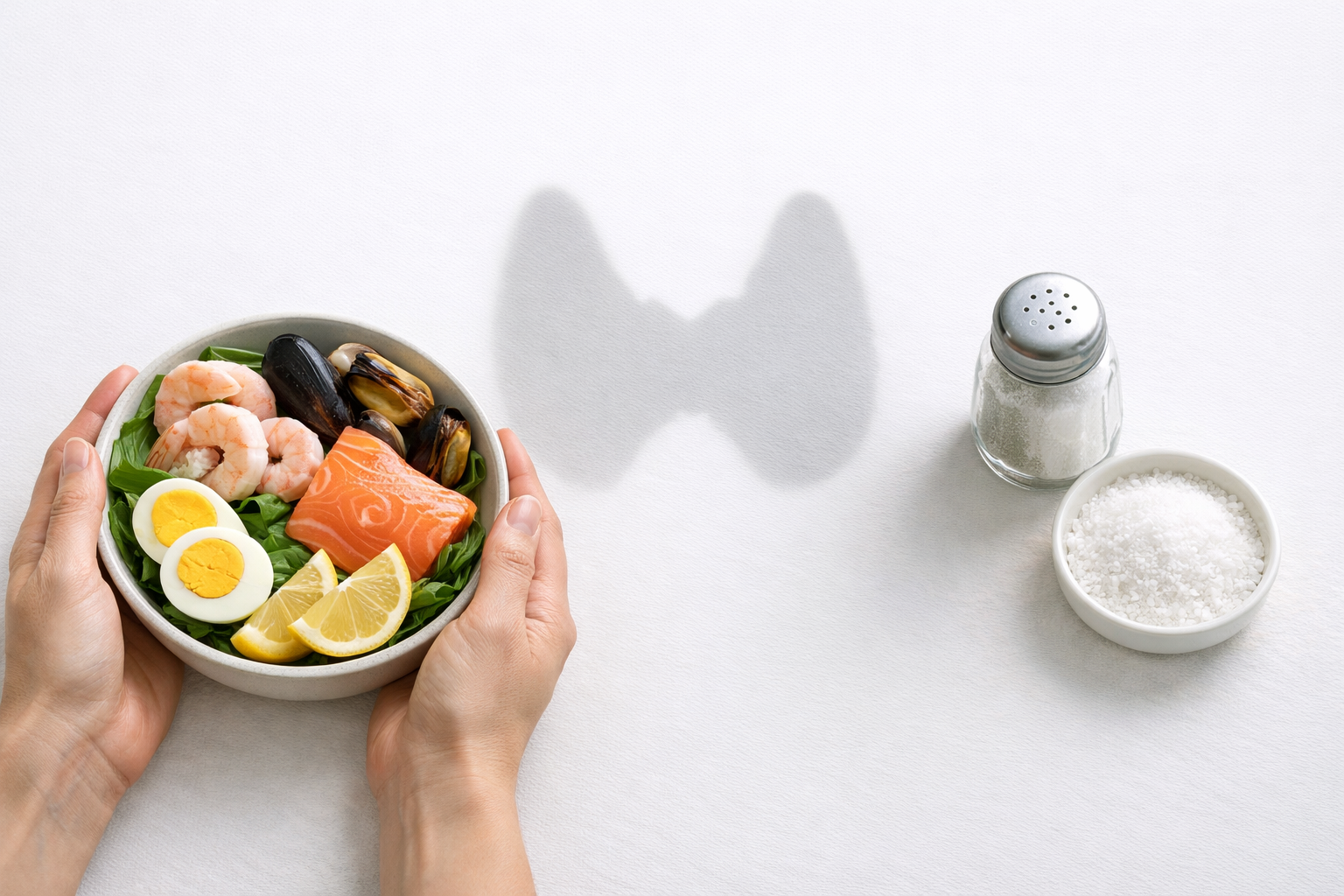
Your thyroid is a small gland in your neck, but it acts like your body’s metabolism thermostat. It makes two key hormones:
T4 = your “stored” thyroid hormone (backup supply)
T3 = your “active” thyroid hormone (what your cells use for energy)
When thyroid function dips, daily life can feel like you’re running on low battery: tiredness, feeling cold, constipation, dry skin, brain fog, low mood, slower gym recovery, and stubborn weight changes. When thyroid function is well-supported, many people notice the basics improve first: steadier energy, better digestion, clearer thinking, and better training tolerance.
1) Sleep: the most underrated thyroid protector
Sleep helps keep your thyroid signals steady across the day. Poor sleep and irregular sleep timing are linked with changes in thyroid markers and rhythm.
Try this: 7–9 hours, same wake time, morning sunlight, and a 30–60 min wind-down.
2) Stop “crash dieting” (your thyroid hates extremes)
Very low calories for long periods can push your body into energy-saving mode, and active thyroid hormone (T3) may drop as part of that adaptation.
Try this: choose slower fat loss, eat enough protein, and avoid long stretches of aggressive restriction.
3) Train smart, recover smarter
Exercise is supportive—but combining hard training + low food + poor sleep is where many people get into trouble.
Try this: strength train 2–4x/week, keep daily steps high, and take deload/rest weeks when performance and sleep slide.
4) Eat for thyroid “building blocks”
These nutrients matter most for protecting thyroid function:
Iodine (helps you make thyroid hormone): If you don’t eat much seafood/dairy/eggs, iodized salt can be a simple win. Avoid high-dose iodine unless advised—too much can backfire for some people.
Selenium (helps your body activate thyroid hormone + protects the gland): Meta-analyses in Hashimoto’s show selenium can improve thyroid antibody markers (hormone changes vary). Food-first (seafood, eggs, meat) or a supplement if needed.
Vitamin D (immune + thyroid support): Meta-analyses suggest vitamin D supplementation (especially if low) can reduce thyroid antibodies and may support thyroid function in autoimmune thyroid conditions.
A simple “thyroid-protection” routine
✅ Sleep consistently
✅ Don’t under-eat for weeks on end
✅ Train + recover (not punish)
✅ Use iodized salt if intake is low
✅ Consider vitamin D / selenium only if relevant (diet or labs suggest low)
This is about optimizing and protecting thyroid function—not self-treating disease. Always consult your health care provider.